Browsed by
Author: Safety Guide

Arthritis

Arthritis

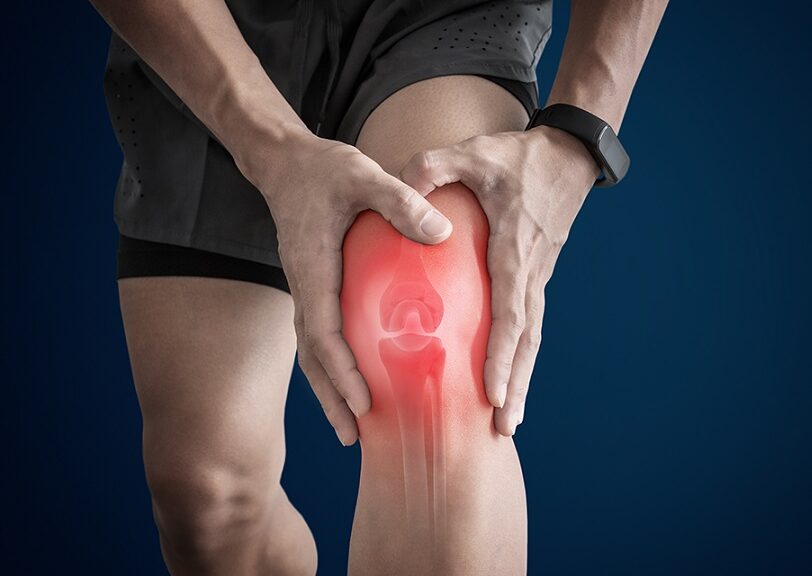
People of all ages can get arthritis, a disorder that is characterized by joint swelling and inflammation. Arthritis is far more complex than sore joints. It may make you uncomfortable and limit your range of motion. We’ll go over all the important information regarding arthritis in this blog, including its causes, symptoms, and possible therapies. The symptoms of arthritis might vary depending on the kind and severity of the ailment, and they can also show in different ways.

Symptoms

  • Long-term Joint Pain due to arthritis can range from mild discomfort to excruciating pain.
  • Morning Stiffness: A common symptom of arthritis is stiffness, especially in the morning or after extended periods of inactivity.
  • Joint Tenderness and Swelling: Affected joints may feel warm to the touch, sensitive, and swollen.
  • Reduced Range of Motion: Having arthritis might make it more difficult for you to fully move your joints.
  • Redness and Warmth: Increased blood flow and inflammation can cause some joints to look red and feel warm.
  • Fatigue: Experiencing arthritis can be draining, leaving you feeling worn out and exhausted.

The muscles surrounding afflicted joints may gradually weaken as a result of decreased joint mobility.

The Main Arthritis Group – There are more than 100 types of arthritis

  • JOINT-FOCUSED
    • Rheumatoid Arthritis: Affects hands and feet symmetrically. It can also damage the lungs and increase the risk of heart attack/stroke.
    • Ankylosing Spondylitis: Causes severe lower back pain and stiffness, usually in young adults. Can affect the eyes, heart, and intestines.
    • Gout: Famous for intense pain, especially in the big toe. Triggered by alcohol and diet.
  • VASCULITIS – Blood Vessel Inflammation
    • This is a very serious group where blood vessels become inflamed, straving organs of blood
      • THE SIGN: Can look like arthritis, but also causes:
      • Coughing up blood (lung damage)
      • Kidney failure
      • Severe damage to the brain and nerves
  • BODY TISSUE DISEASES – Autoimmune
    These diseases happen when the body’s defense system accidentally attacks healthy tissues

    • SLE (Lupus): Causes joint pain, facial rashes, and low blood count.
    • Inflammatory Myositis: Weakens muscles. Some rapid forms can be fatal if not treated quickly.
    • Scleroderma: Causes thick skin, painful finger ulcers, and blue fingers.
    • Risks: Severe lung/heart issues
  • INFECTION-BASED ARTHRITIS
    Sometimes, an infection in the body shows up first as joint pain

    • Tuberculosis (Poncet’s Disease): A special type where TB in the body causes joint swelling.
    • Leprosy: Causes arthritis along with visible skin and nerve changes.
    • Chikungunya: A viral infection that can leave you with crippling, long-term joint pain.
  • RARE & DANGEROUS CONDITIONS
      • Relapsing Polychondritis: Attacks cartilage (like ears/nose). If it hits the airway cartilage, it can lead to choking or breathing failure.
      • Sarcoidosis: Often causes swollen ankles and lung problems (sometimes requiring a lung sample to diagnose.
  • Inflammatory arthritis
  • Degenerative or mechanical arthritis
  • Connective Tissue Disease (CTD)
  • Infectious Arthritis
  • Metabolic Arthritis
  • Childhood Arthritis
  • Septic Arthritis

Various metabolic, endocrine, and cancer-associated conditions can also present with joint pain and swelling.  The treatment varies widely depending upon the diagnosis, and sometimes may need to be treated not with immunosuppressive drugs but with treatment of infections like tuberculosis, etc. It is also equally important to distinguish true inflammatory joint diseases from a wide range of non-inflammatory causes like benign joint hypermobility syndrome, where no arthritis drugs are required.

Some factors that may increase your risk of arthritis are:

  • increasing age
  • having a family history of arthritis
  • obesity or being overweight
  • smoking
  • activities that involve repetitive movements of a joint
  • previous damage to a joint, such as from an injury

Medication

The medications a doctor prescribes depend on the type of arthritis. Commonly used drugs include:

  • Analgesics: Reduce Pain
  • Nonsteroidal anti-inflammatory drugs (NSAIDs): Reduce both pain and inflammation
  • Counterirritants – creams and ointments
  • Disease-modifying antirheumatic drugs (DMARDs) – slow or stop the immune system from attacking the joints.
  • Biologics – genetically engineered drugs.
  • Corticosteroids – Prednisone and cortisone reduce inflammation and suppress the immune system.

Lyme Disease

Lyme Disease

Ticks are flat before they feed. As they feed, they expand in size and become round.Lyme disease is a major public health issue in the United States, Europe, and parts of Asia, and in India, at least 15 states have so far reported cases.  An infectious disease, Lyme is caused by a bacterium called Borrelia burgdorferi and spreads to humans through the bite of infected ticks.

Symptoms

  • Fever, headache, chills, muscular and joint aches, and rashes around the bite.
  • Pain and swelling of joints, including knees.
  • Heart palpitations and facial palsy

Treatment

  • Lyme disease is treated with antibiotics, and most patients recover fully.

What to Do After a Tick Bite?

  • Remove Properly: Use fine-tipped tweezers to grasp the tick close to the skin and pull straight up.
  • Clean: Thoroughly clean the bite area and your hands with alcohol or soap and water.
  • Monitor: Watch for rash, fever, aches, or flu-like symptoms.
  • See a Doctor: Seek medical help if you develop symptoms or are concerned, as early treatment is key for many infections.

Untreated Lyme can affect joints and the nervous system


Deficiency of Nutrition and Vitamins

Deficiency of Nutrition and Vitamins

Deficiency of Nutrition and Vitamins cause dangerous diseases. Vitamins are organic compounds that are required in small amounts in our diet but their deficiency causes specific diseases. Most of the vitamins cannot be synthesized in our body but plants can synthesize almost all of them, so they are considered as essential food factors. Few of them are listed below:

Nutrient Diseases due to Deficiency
Vitamin A Weak eyesight, fatigue, dry skin and frequent falling sick can occur due to Vitamin A deficiency.
Vitamin C Deficiency of Vitamin C can cause muscle weakness, pain in joints and muscles, gum bleeding etc.
Vitamin D Helpful for regulating calcium and phosphate in the body. Its deficiency can cause fatigue and bone weakness.
Vitamin E Useful antioxidant and helpful in stability of cell membrane. Its deficiency can cause skin problems and hair fall.
Vitamin K Vitamin K is beneficial for blood circulation.  Its deficiency causes low bone density.
Vitamin B1 (Thiamine) Vitamin B1 converts food to energy. Its deficiency can cause dementia, alzheimer’s, cancer and metabolism related problems.
Vitamin B2 (Riboflavin) Vitamin B2 is important to increase immunity. Its deficiency can cause nerve diseases, anemia and problems related to the heart.
Vitamin B12 (Cobalamin) Deficiency of Vitamin B12 can effect the brain, nervous system and blood pressure. It helps in building red blood cells in the body.

Masks for Curbing – SARS-CoV2 Coronavirus

Masks for Curbing – SARS-CoV2 Coronavirus

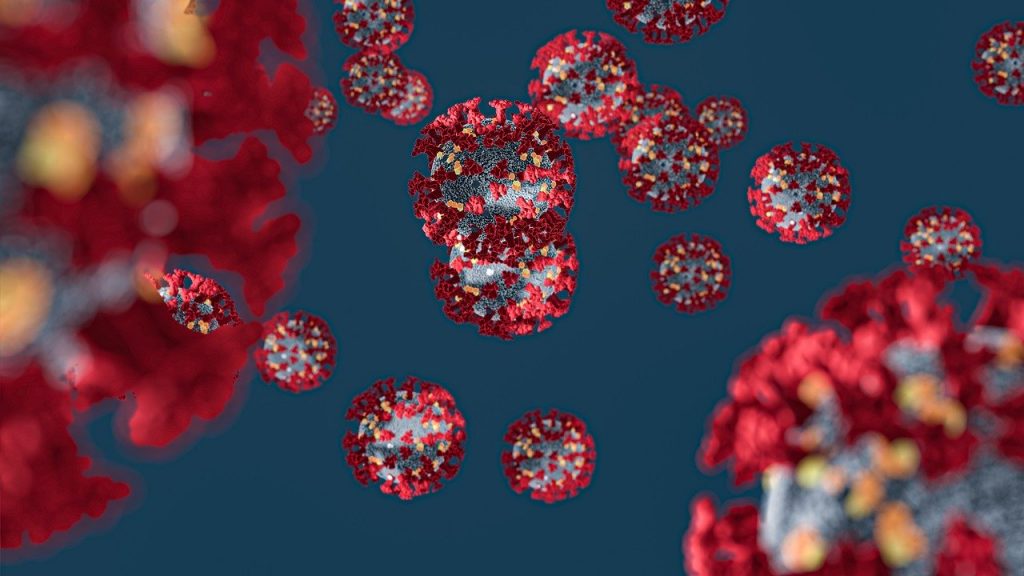
COVID-19 virus spreads easily from person to person contact. Virus carrying droplets dry fast enough to form droplet nuclei and remain airborne eventually landing on different surfaces.

SARS-CoV-2, the virus that causes COVID-19, has been detected in aerosols for up to three hours and on plastic and stainless steel surfaces for up to three days. (N.Engl J.Med. 2020).

Why Wear a Mask?

Masks lower the chances of coronavirus entering the respiratory system through droplets still in the air from an infected person. Reducing the chances of inhaling the virus by wearing a protective mask that is cleaned thoroughly using a combination of approaches that use Heat, UV light, water, soap and alcohol, will be vital to stopping its spread.

World Health Oragnization (WHO)  – Masks are effective only when used in combination with frequent hand-cleaning with alcohol-based hand rub or soap and water. If you wear a mask, then you must know how to use it and dispose of it properly.

Types of Masks

  • Surgical Masks: These are the ones which are slightly loose-fitted around the mouth and protect a person against large splashes of droplets, water, sprays and are used at medical facilities.
  • N95 Masks: These respiratory masks are widely being used right now to lessen the spread of coronavirus.  These are slightly more tight-fitted.
  • Activated Carbon Masks: These contain an activated carbon filter, which helps collect and filter out pollutants and germs and breathe in purer air.
  • Cloth and Sponge Masks: Faced with mask shortage, many are turning to homemade masks made of different fabrics.
    • DISPOSABLE MASK – Bought from store – can be used only once.
    • HOME MADE –  make at Home re-usable mask.

Key Differences between Disposable and Homemade Cotton Masks

Properties Disposable (Surgical Mask) Homemade (Cotton) Mask
Use Single Use Multiple use
Effectiveness against virus Particles ~97% ~70%
Washing and Cleaning Should NEVER be washed as it damages filtration and protection ability Can be reused easily after washing
Availability Medical store stocks of such masks are likely to be depleted Can be easily made at home with available cotton materials.
Disposal Must be disposed after one use in a closed bag with household waste to prevent virus from travel Can be easily cleaned after use with ingredients available at home.

IMPORTANT PRECAUTIONS:

Before using the handmade mask remember:

  1. Thoroughly was and clean the mask before wearing it.
  2. Wash your hands thoroughly before wearing the mask.
  3. As soon as the mask becomes damp or humid, switch to another mask and clean the used mask.
  4. Never reuse a mask after single use without cleaning it.
  5. Do not touch the front or any other surface of the mask, remove it only with strings behind.
  6. For string mask, always untie the string below and then the string above.
  7. After removal, immediately clean your hands with 70% alcohol-based hand sanitizer or with soap and water for 40 seconds.
  8. Drop it directly into a soap solution or boiling water to which salt has been added.

CAUTION:

  • Homemade reusable mask only reduce the chances of inhaling droplets still in the air from in infected person.  They do not give full protection.
  • Homemade reusable masks must be washed and heated each day.  Reuse without washing should NOT be done.
  • Disposable masks should not be washed and re-used. They must be disposed according to instructions.
  • Remember to wash your hands frequently with soap for 20 seconds.


COVID19 – Novel Coronavirus (NCoV)

COVID19 – Novel Coronavirus (NCoV)

Protect Yourself & Take Preventive Measures

A new virus “Corona Virus” has been found in Wuhan City of China, which is spreading to various countries. The travelers who are coming from virus affected Wuhan City of China since 1st January 2020 and person who are in contact with Corona Virus patient have possibility of having this disease.

Common Symptoms

  • Fever
  • Cough
  • Difficult in breathing/Respiratory discomfort

Prevention

  • If any person, who has traveled from China in last 30 days (from 1st January 2020 onwards) and gets the above mentioned symptoms, he/she should immediately contact the call center number of nearest health institution for consultation/treatment.
  • Frequently clean hands with soap & water or alcohol based hand sanitizer.
  • Use mask and maintain distance from other persons & avoid visiting crowded places.
  • No self medication to be taken and consult medical specialist for treatment.
  • While coughing and sneezing use tissue/handkerchief and maintain respiratory/sneezing etiquettes.
  • Avoid unprotected contacts with wild life or farm animals.
  • In case of above symptoms, isolate the patient and report to nearest health authorities.

Steps Taken by Punjab Government

  • International Airport Amritsar and International Airport Mohali have been alerted to display advisory for the passengers for self declaration regarding travel to China.
  • Thermal sensors have been installed at International Airport Amritsar and International Airport Mohali for screening of passengers.
  • Adequate quantity of logistics available with Department of Health & Family Welfare to tackle any situation.
  • Isolation wards and ventilators available in all district hospitals of Punjab.

Please don’t delay if symptoms appear and immediate contact nearest health facility or call following:

  • Indian NATIONAL CALL CENTER NO.: +91 11 2397 8046
  • Indian Punjab STATE CONTROL ROOM NO.:  +91 88720 90029, +91 172 292 0074
  • Indian Toll Free: 104